Anger has a way of lingering long after the moment that sparked it. For many men, it’s the emotion we know best—and often the one we question least. This is a personal reflection on where that anger comes from, what it’s really aimed at, and how choosing differently in the present can change what comes next.
Understanding Anger and Choice
The Dalai Lama (spiritual leader of Tibetan Buddhism and one of the most recognised religious figures in the world) was once asked whether there was any use for the emotion of anger. He paused, reflected, and then gave his verdict: No.
And yet—we still feel it, don’t we? Boiling beneath the surface of even the calmest exterior. I know this from personal experience. And while anger belongs to no single gender, I want to examine it here from a male perspective—my own.
When Anger Shows Up Uninvited
I take regular long walks. These strolls through nature have become an important part of my day when I get to observe my thoughts, listen to my body and feel the environment around me. I call this daily exercise my long walk to freedom.
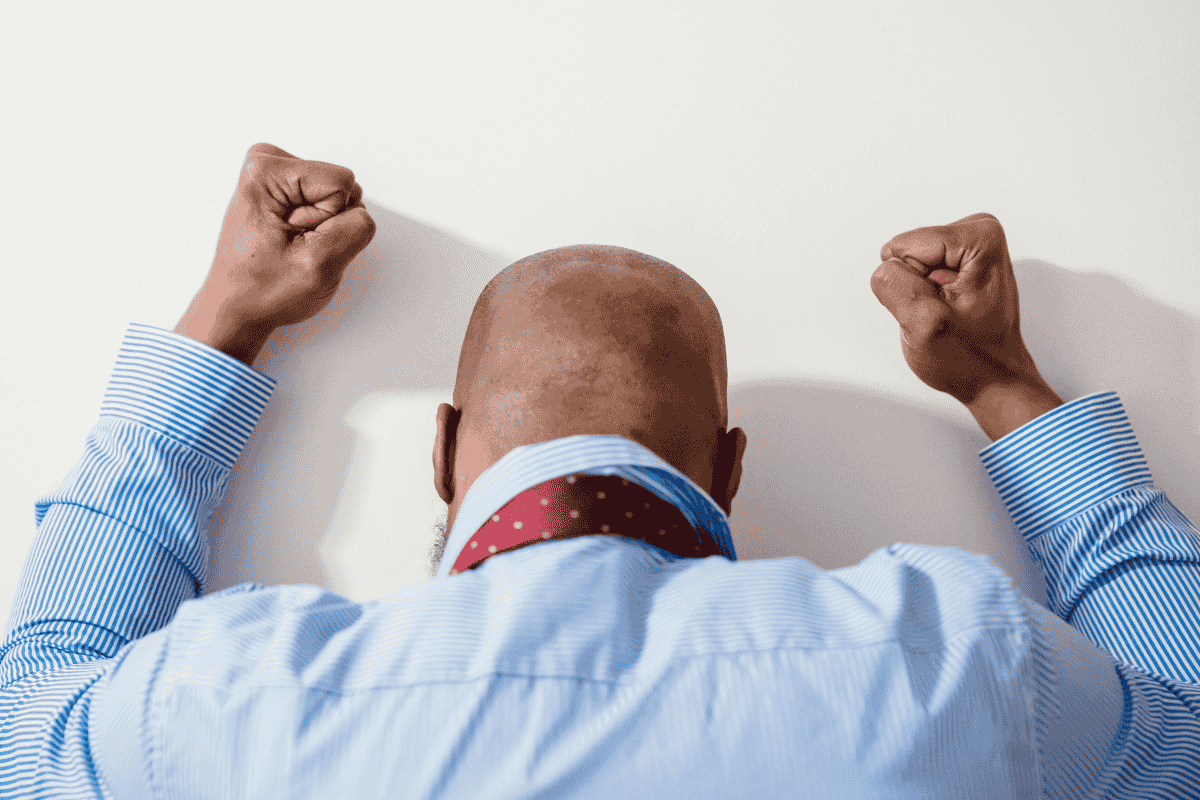
On a recent walk, I struggled to contain the anger rising within me. Despite the beauty of the surrounding countryside, despite the quiet blessings laid clearly before me—everything I had to be grateful for—I could not shake the emotion swelling inside.
At first, as practised, I observed my thoughts. I breathed deeply and allowed them to pass, waiting for the storm to burn itself out. But the cyclone merely hovered—just out of sight, yet never out of mind. I tried again. But words still seeped from my mouth: whispered bitterness. No matter how hard I resisted, I could not clear the toxicity that clouded me. I chided myself, half-aware that anyone passing might catch fragments of my mutterings. What was wrong with me?
Why Anger Is Often the Only Emotion Men Are Allowed
As I’ve reflected on moments like this, I’ve wondered why anger feels so readily available—especially for men. It’s an accessible surge of energy where other feelings have been quietly ruled out.
From an early age, many boys learn a quiet rule:
- Sadness is weak
- Fear is shameful
- Need is dangerous
- Anger is acceptable
Anger becomes the public face of private pain. It’s not that men feel more anger—it’s that anger is often the one emotion they’re allowed to carry openly.
“Anger thus becomes a default emotion, standing in for all kinds of other feelings. It’s not, therefore, that the man is so angry. It’s just that anger is what he knows how to express, how to name.” Clinical Psychologist Josh Gressel, Ph.D.
What Happens When Men Suppress Vulnerability
“Anger is sometimes referred to as a secondary emotion — in other words, feelings of anger may mask other underlying emotions like fear or sadness.” — Mental Health Foundation
Many men are not taught how to sit with emotional uncertainty. When fear, grief, loneliness, or humiliation have nowhere to settle, they turn into anger. Anger moves outward. The rest is driven inward—and men are taught not to go there. I can see now how often my anger arrived when something softer had nowhere to land.
Why Men Try to Fix Feelings Instead of Feeling Them
Men are trained to solve problems, not to feel them. So when life presents challenges that cannot be fixed—loss, rejection, aging, betrayal—we treat them like broken machinery. When the “solution” fails, frustration escalates. And when frustration has no language, it hardens into anger.
The Hidden Role of Shame in Male Anger
Anger, I’m learning, is often a shield over shame.
Shame says:
- I’m not enough.
- I failed.
- I don’t matter the way I thought I did.
Anger responds:
- This isn’t your fault.
- Someone else caused this.
- You’re still powerful.
The shield holds briefly. Then it dissolves.
Why Men Turn Anger on Themselves
As I write this, I see my anger more clearly for what it is: accusation turned outward. However, as those accusatory missiles are launched at another—they only arc mid-flight and detonate back on me. Every salvo redirects itself inward, exploding on impact. So why did the Dalai Lama say anger has no use? Because, I now suspect, we men are not angry at ‘them’. We’re angry at ourselves.
Anger says: I was wronged.
A deeper voice whispers: I knew.
And that knowing hurts more than any external slight. Anger keeps us aimed outward when the work is inward. Until we accept responsibility without cruelty, agency without punishment, the missiles will keep malfunctioning. Because they aren’t designed to destroy others. They’re meant to wake us up.
Taking Responsibility Without Self-Punishment
As adults, we have agency. We choose our behaviours. And when we choose poorly, the deepest pain is usually suffered by the one who made the choice.
Accepting responsibility—not as a child who didn’t know better, but as an adult who does—is part of that long walk to freedom.
It doesn’t matter that I was wronged.
It doesn’t help that it “wasn’t my fault.”
What matters is that I am in pain—and that pain, left unchecked, drives me toward repeating the same patterns.
How Anger Masks Powerlessness
Powerlessness often hides behind anger. It’s the bark at the moon: loud, futile, and born of the belief that nothing can be done. One way through anger is recognising that we are not as powerless as we tell ourselves. Power returns when we stop living in the past and act in the present. Each choice made today—however small—restores agency and allows the next chapter to be written forward instead of rewritten backward.
That realisation helped. Once I reclaimed my agency and decided to make positive choices – focused on the present, the cyclone above my head began to falter, then fade. The pressure lifted. The clouds broke.
Why Change Only Happens in the Present Moment
Each new day gives us the chance to choose who we want to be. Anger is anchored in the past. The past is gone. We cannot go back. All we have is the present—what we do, and what we choose to feel, right now. I can remain in this emotional state, or I can decide to change. And change is the greatest weapon every human has in their armour.
Change lives only in the present. The past is fixed—every mistake, every loss, every word already spoken. But change refuses to be constrained by what has been. It pulls us forward. When I choose differently now, I interrupt old patterns. Even the smallest shift—a new response, a new boundary, a new act of courage—reclaims agency. Change is not denial of the past; it is freedom from it.
Choosing a New Way Forward
If you find yourself trapped in circles of anger, remember this: the circle isn’t closed. Choice still exists, even here. Anger feeds on stagnation and replay. Decisiveness breaks that spell. The moment you choose, you move from being acted upon to acting. The body feels that shift immediately. Even imperfect decisions create direction. They say: I am here. I am responsible.
You are not broken. You are not alone. I’m learning to walk this path one decision at a time. If it helps, walk with me. I could do with the company on my long walk to freedom.